Featured
Table of Contents
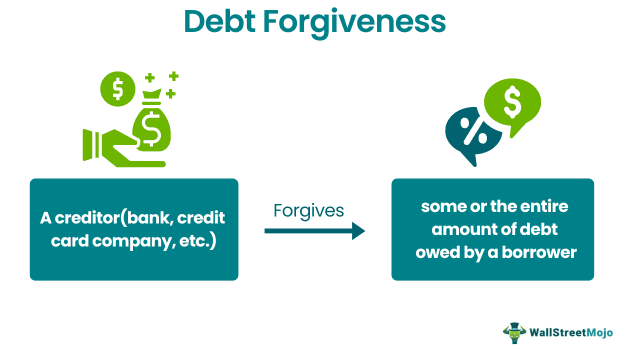
That maximizes money in the short-term, and you might have three to 4 years to save toward the negotiation quantity. Very hazardous to credit rating, primarily because of missed settlements and an unfavorable "settled" mark that can stay on your credit score record for approximately 7 yearsMay be just option if various other options (debt combination, balance transfer bank card, financial debt forgiveness) aren't possibleTypically calls for a fee to the third event, which can counter some or all of the financial savings from debt settlementMay help you prevent bankruptcy if you have actually missed out on several paymentsNot all financial institutions work with financial debt negotiation firms Debt forgiveness may be appropriate for you if you are experiencing a monetary hardship that makes it virtually impossible to pay for your financial obligation equilibriums.
With a DMP, you make one month-to-month payment to the credit counseling firm. Those funds are then dispersed to financial institutions of your unprotected financial debts, such as bank card and installment lendings. The company deals with your lenders to lower rates of interest or forgo fees, but some lenders might decline such concessions.
It can help you pay down financial debt if you're able to secure a loan rate that's lower than the ordinary rate of the accounts you're consolidating. You must abstain from racking up debt on those newly cleared accounts or your financial obligation might expand even greater.
That gives you lots of time to eliminate or dramatically decrease your equilibrium while making interest-free payments.
Why Professional Guidance Makes a Difference for Beginners
You might need it if your financial institution or a collection company ever attempts to collect on the financial debt in the future. The letter might show you do not owe what the debt collection agency's documents reveal. Yes, for the most part, the IRS thinks about forgiven financial debt as taxed revenue. When a lending institution forgives $600 or even more, they are needed to send you Kind 1099-C.
Debt forgiveness or settlement often hurts your credit history. Anytime you resolve a debt for less than you owe, it may appear as "cleared up" on your credit score record and affect your credit report for 7 years from the date of negotiation. Your credit history can likewise go down significantly in the months leading to the mercy if you fall back on payments.
More About Prevalent Misunderstandings About Bankruptcy
This circumstance typically results from underreporting income, not submitting returns on time, or discrepancies found during an IRS audit. The consequences of building up tax obligation financial obligation are major and can consist of tax liens, which provide the Internal revenue service a lawful insurance claim to your residential or commercial property as safety and security for the debt.
Higher rate of interest rates on readily available credit scores. Wages and Financial institution Accounts internal revenue service can levy (confiscate) wages and bank accounts to please the financial debt. Decreased income and disruption of important monetary procedures. Residential or commercial property Seizure In severe cases, the IRS can take and market residential or commercial property to cover the financial debt. Loss of valuable possessions and potential variation.
Social Preconception Facing lawful action from the Internal revenue service can lug social stigma. Employment Opportunities A bad credit rating rating due to strain financial obligation can restrict work opportunities. Government Benefits Tax debt might affect qualification for government advantages, such as Social Protection and Medicaid.
The Main Principles Of What to Watch For When Researching Forgiveness Help
The OIC considers several factors, consisting of the taxpayer's income, expenses, asset equity, and capability to pay. Efficiently discussing an OIC can be complex, calling for a comprehensive understanding of the IRS's standards and a strong argument for why your deal lines up with your capacity to pay. It is essential to keep in mind that not all applications are approved, and the process calls for thorough monetary disclosure.
The IRS assesses your overall financial situation, including your income, costs, property equity, and capability to pay. You need to additionally be current with all declaring and repayment needs and not remain in an open bankruptcy case. The internal revenue service also considers your conformity history, reviewing whether you have a document of prompt declaring and paying tax obligations in previous years.
Rumored Buzz on Mandatory Paperwork When Pursuing What to Expect in a Housing Counseling Session If You’re Facing Foreclosure
The application process for an Offer in Compromise entails a number of in-depth actions. First, you have to finish and send IRS Kind 656, the Offer in Compromise application, and Type 433-A (OIC), a collection details declaration for people. These types call for detailed financial info, including information about your earnings, debts, expenses, and possessions.
Back tax obligations, which are overdue tax obligations from previous years, can considerably increase your total internal revenue service financial obligation if not addressed quickly. This debt can build up interest and late payment charges, making the original amount owed a lot bigger over time. Failing to pay back tax obligations can lead to the internal revenue service taking enforcement activities, such as issuing a tax obligation lien or levy against your home.
It is very important to resolve back tax obligations immediately, either by paying the total owed or by organizing a repayment strategy with the internal revenue service. By taking positive steps, you can avoid the build-up of additional rate of interest and fines, and avoid a lot more aggressive collection actions by the IRS.
One usual factor is the belief that the taxpayer can pay the sum total either as a round figure or with a layaway plan. The IRS also takes into consideration the taxpayer's earnings, expenditures, asset equity, and future earning capacity. If these elements show that the taxpayer can pay for to pay greater than the offered quantity, the internal revenue service is most likely to deny the offer.
All about Widespread False Beliefs Regarding Debt Forgiveness
Dealing with Internal revenue service financial debt can be complicated and challenging. Tax obligation experts, such as CPAs, tax obligation attorneys, or enlisted representatives, can offer invaluable assistance.

Table of Contents
Latest Posts
Unknown Facts About Why Ignoring Your Debt Problems Makes Things More Difficult
The Ultimate Guide To What Must Prepare For Throughout the Can You Remove Collections from Your Credit Report Without Paying? : APFSC Journey
The Best Strategy To Use For Types of Debt Forgiveness Accessible to You
More
Latest Posts
Unknown Facts About Why Ignoring Your Debt Problems Makes Things More Difficult
The Best Strategy To Use For Types of Debt Forgiveness Accessible to You